Most families focus on how their home will look when they move in. They imagine the kitchen, the bathrooms, the finishes, and that feeling of finally being done.
What almost no one thinks about is how that same home will feel ten or fifteen years later. Here’s why some homes age well.
Once the excitement wears off, the kids are older, and the power bills increase, you stop just admiring your home and start living in it every day.
That’s when people often start to say things like:
- “I don’t know why this house is always cold.”
- “We’re constantly fixing little things.”
- Or “It looked great at the start, but it’s just hard work now.”
The frustrating thing is, nothing has actually gone wrong.
The home passed inspection. It met the standards. Everyone agrees it was built properly… at least on paper.
So why does it end up feeling this way?
From what I’ve seen, it often comes down to a few quiet decisions made long before move-in day. Most families don’t even know they can influence these choices. They don’t show up in photos or get explained at handover, but over time, they shape how comfortable and easy your home is to live in.
I call these the Silent Standards, and there are three of them.
These aren’t upgrades or luxury features. They’re the basic standards your home is built to, whether you know it or not.
What’s important is knowing when these standards are set, because the earliest ones are the hardest to change later.
Silent Standard #1: Built to Pass vs Built to Cope
Every home has to meet a minimum standard. That’s not a problem, it’s just how the system works.
But minimum standards are meant to get a home approved, not to help it handle decades of weather, wear, and daily life.
Early in the build, someone decides what counts as “enough,” often through small details that go unnoticed later. The real question to ask is, “How much margin is there for things that won’t behave perfectly – like heavy rain, strong sun, or materials that shift over time?”
Most families never see these decisions being made or realise they could have asked about them. They’re technical, happen early, and once the home is finished, everything looks the same on the surface.
This is where you see the difference between a home that just passes and one that can cope.
A home built to pass will meet the standard exactly as written:
- Gutters are sized to the minimum requirement
- Clearances are just enough
- Drainage is designed for normal rain, not heavier downpours.
Everything works as it should, until something pushes it a bit harder than expected.
A home built to cope gives a little more room for real life, because someone looked beyond the minimum and asked, “What happens here over time?”
You can see this approach in older European homes. They were designed with extra margin from the start, which is why they still perform well decades later.
Once this first standard is set, everything else builds on top of it.
Silent Standard #2: Comfort That Works vs Comfort That Needs Work
People often assume comfort will just happen on its own.
If a home is new, well finished, and built properly, most families expect it to feel comfortable by default – warm in winter, cool in summer, and easy to live in.
But comfort doesn’t come from finishes. It comes from earlier decisions about sealing, insulation, and how much is allowed for heat loss, drafts, and daily use.
This is where the standard for comfort gets set for the life of the home.
When comfort is planned early, it becomes part of the home’s structure, often through small, unnoticed choices like these:
- The insulation works together with the structure
- Air movement is controlled
- Temperatures stay more stable.
If comfort isn’t built in, it becomes something you have to manage. People add heaters, adjust thermostats, and deal with rooms that are always a bit too hard to heat or cool. Power bills go up, and it’s difficult to say why the home still doesn’t feel right.
What’s frustrating is that many choices that affect comfort, like insulation and sealing, are small decisions made during the build. But once the walls are closed, they’re very hard to change.
This standard quietly decides whether comfort feels easy or becomes an ongoing effort.
Silent Standard #3: Early Protection vs Ongoing Problems
Homes are expected to handle a lot over time: heavy rain, strong sun, moisture in bathrooms and small movements as materials expand and contract.
Of course, none of that is unusual. It’s just normal life for a building.
The real question is whether the home is designed expecting these things to happen, or just hoping everything will always work perfectly.
This is where small protections make a big difference.
Early in a build, decisions get made about how much allowance the home has for everyday exposure to water, moisture, and sun. These are quiet decisions. When they’re handled well, they fade into the background and rarely get noticed.
They can include things like:
- Allowing a bit more capacity for water
- Properly containing moisture in wet areas
- Giving the home adequate shade.
None of these things change how a house looks on handover day. They just lower the chance of problems showing up later.
This standard decides if a home assumes everything will always work perfectly, or if it’s ready for real life.
Why This Matters Before You Build
Once you understand these standards, it’s clear why some homes quietly hold together over time, while others slowly need more attention, energy, and repairs than people expected.
This comes down to understanding which decisions are made early, and how small choices at that stage can shape your daily life for years to come.
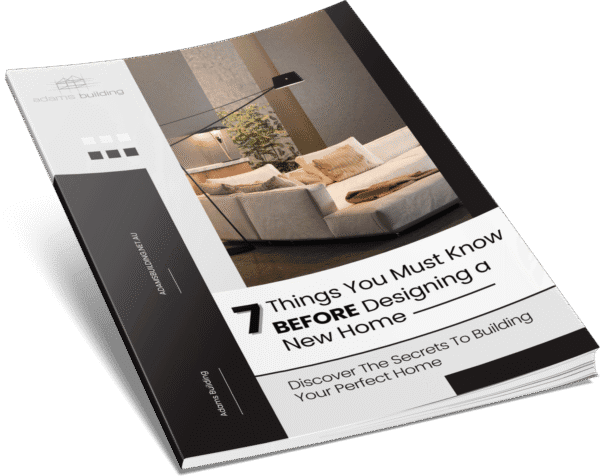
If you’re at this stage, I’ve created a practical guide to help you think through these decisions before anything is set in stone:
Build with Confidence: 7 Things You Must Know Before Designing a New Home
It covers the areas where people often get caught out, from unclear costs and contract traps to design choices that seem minor at first but become expensive or frustrating later.
If you’re planning a custom home or renovation in the next 6 to 12 months, this guide will help you ask better questions, avoid common mistakes, and move forward with more confidence.
Download it here to take the guesswork out of the early stages.
Get to know the expertise of Adams Building, setting benchmarks in construction quality. Proudly collaborating with APB, MBA, and Wunderbuild.